Seafood is more than just a delicious meal—it’s a world of unique flavors, rich nutrition, and culinary traditions enjoyed across the globe. In this complete seafood guide, you’ll learn everything from seafood types and health benefits to expert buying tips and cooking methods, making it easier than ever to enjoy seafood like a pro.
One of the biggest reasons people choose seafood is its reputation as a healthy protein source packed with essential nutrients. Wide varieties contain omega-3 fatty acids, vitamins, minerals, and lean protein that support overall wellness. Beyond health benefits, seafood is also one of the most versatile ingredients in global cuisine, appearing in everything from grilled fish platters and sushi to seafood boils and creamy chowders.
This comprehensive seafood guide will help you understand different types of seafood, their nutritional value, health benefits, buying tips, cooking methods, and much more. By the end, you’ll have the confidence to choose, prepare, and enjoy seafood like a pro.
Also read about the Grilled Lobster Shrimp (2026)—Prices, Calories, Recipes & Seafood Guide
Understanding Seafood
What Is Seafood?
Seafood refers to any edible aquatic animal harvested from oceans, rivers, lakes, or aquaculture farms. While many people automatically think of fish, seafood actually includes a much broader range of marine and freshwater species.
Common examples include:
- Fish
- Shrimp
- Crab
- Lobster
- Oysters
- Clams
- Mussels
- Squid
- Octopus
The term “marine food” is often used interchangeably with “seafood,” although seafood may also come from freshwater environments.
How Seafood Differs from Fish
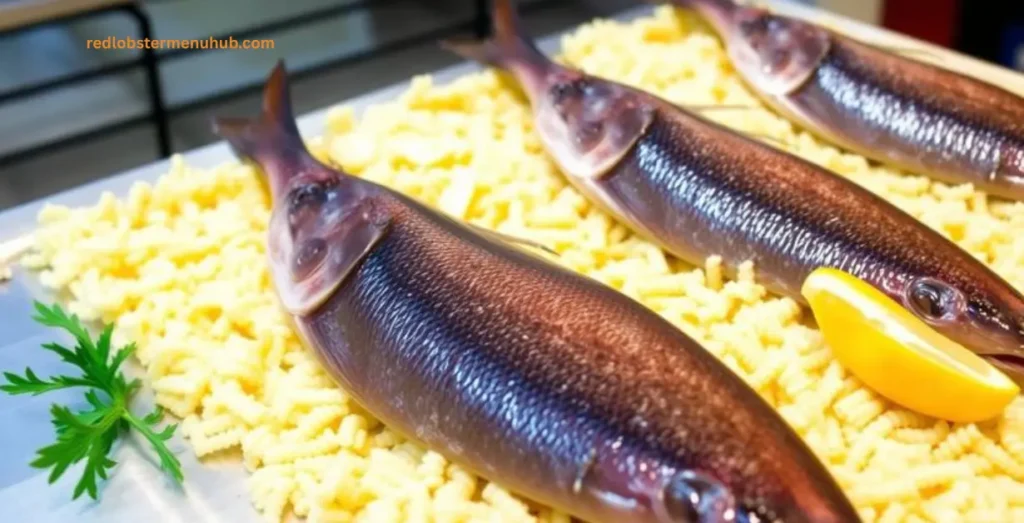
A common misconception is that fish and seafood are the same thing. In reality, fish represent only one category within the larger seafood family.
For example:
| Category | Examples |
| Fish | Salmon, Tuna, Cod, Tilapia |
| Shellfish | Shrimp, Crab, Lobster |
| Mollusks | Clams, Oysters, Mussels |
| Cephalopods | Squid, Octopus |
Simply put, all fish are seafood, but not all seafood is fish.
Why Seafood Is a Staple in Many Cultures
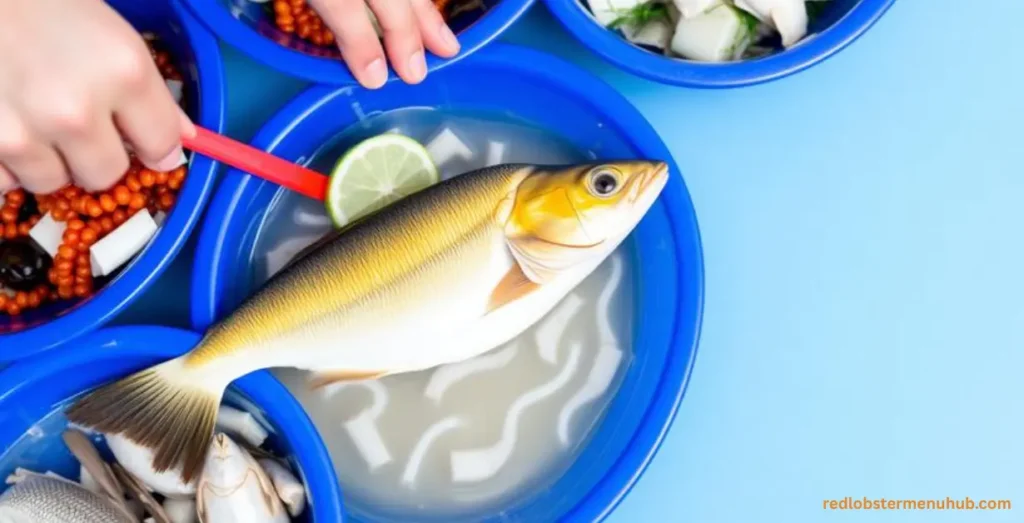
For centuries, coastal communities around the world have relied on seafood as a major source of nutrition. Countries such as Japan, Spain, Norway, Thailand, and the United States have developed iconic dishes centered around fresh catches from nearby waters.
Today, seafood remains a key ingredient in
- Mediterranean cuisine
- Asian cuisine
- American coastal cooking
- Scandinavian dishes
- Caribbean recipes
Its versatility, nutritional value, and unique flavors make it a favorite across countless cultures.
Exploring the Different Types of Seafood
| Seafood Category | Examples | Key Characteristics |
|---|---|---|
| Fish | Salmon, Tuna, Cod, Tilapia | Have fins and an internal skeleton |
| Shellfish | Shrimp, Crab, Lobster | Protected by a hard outer shell |
| Mollusks | Oysters, Clams, Mussels | Soft-bodied aquatic animals |
| Cephalopods | Squid, Octopus, Cuttlefish | Marine animals with tentacles and advanced nervous systems |
Fish Varieties
Fish are among the most consumed forms of seafood worldwide. Different species offer unique flavors, textures, and nutritional profiles.
Salmon
Salmon is widely recognized for its rich flavor and high concentration of omega-3 fatty acids. It has a tender texture that works beautifully when grilled, baked, smoked, or pan-seared.
Popular benefits include:
- High-quality protein
- Heart-supporting fats
- Vitamin D
- B Vitamins
Tuna
Tuna is another highly popular fish known for its meaty texture and versatility. It can be served raw in sushi, grilled as steaks, or canned for convenient meals.
Tuna is often favored by athletes because of its
- Lean protein content
- Low carbohydrate levels
- Satisfying texture
Cod
Cod has a mild taste and a flaky texture that appeals to people who are new to seafood. Its delicate flavor allows it to absorb seasonings and sauces exceptionally well.
Tilapia
Tilapia is an affordable freshwater fish with a mild flavor profile. It is often recommended for beginners because it lacks the stronger taste associated with some ocean fish.
Mackerel
Mackerel is rich, oily, and highly nutritious. It contains significant amounts of healthy fats, making it a popular choice among people seeking nutrient-dense seafood options.
Also read about the Surf Turf Maine Lobster Tail 12 oz NY (2026): Prices, Calories, Deals & Full Seafood Guide
Shellfish Varieties
Shellfish are among the most sought-after seafood choices worldwide.
Shrimp
Shrimp is arguably one of the most versatile seafood ingredients available.
It can be:
- Grilled
- Fried
- Boiled
- Steamed
- Added to pasta
- Included in salads
Its mild sweetness makes it compatible with countless seasonings and sauces.
Crab
Crab meat is prized for its naturally sweet flavor and delicate texture. It is commonly used in crab cakes, seafood platters, soups, and sushi dishes.
Lobster
Lobster is often associated with premium dining experiences. Its tender meat and buttery flavor have made it one of the most recognizable luxury seafood options worldwide.
Clams
Clams are commonly enjoyed steamed, baked, or incorporated into soups and chowders. Their briny flavor reflects the coastal waters where they are harvested.
Oysters
Oysters are known for their unique texture and distinct oceanic taste. Many people enjoy them raw, while others prefer them grilled or baked.
Mussels
Mussels are affordable, flavorful, and easy to prepare. They pair exceptionally well with garlic, herbs, butter, and white wine-based sauces
Other Popular Seafood Choices
Squid
Squid is commonly used in Mediterranean and Asian cuisine. Fried calamari remains one of the most popular squid dishes worldwide.
Octopus
Properly cooked octopus offers a tender texture and rich flavor. It is frequently grilled and served with olive oil, lemon, and herbs.
Cuttlefish
Though less common in some regions, cuttlefish provides a delicate flavor and firm texture that works well in stir-fries and seafood stews.
Why Seafood Is Good for You
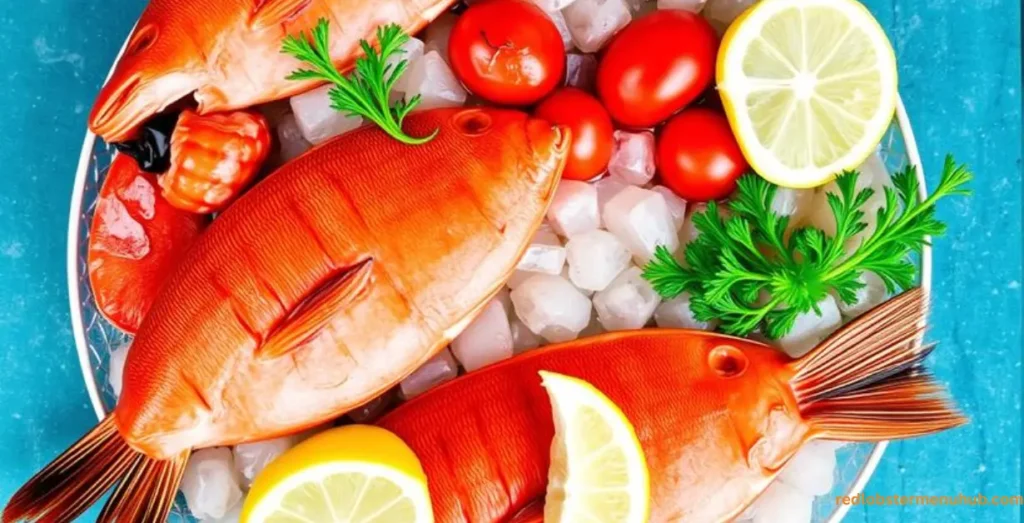
One of the biggest reasons nutrition experts recommend seafood is its impressive nutrient profile.
Rich Source of High-Quality Protein
Protein is essential for:
- Muscle maintenance
- Tissue repair
- Hormone production
- Overall body function
Many seafood varieties provide substantial amounts of lean protein while remaining relatively low in calories.
Packed with Omega-3 Fatty Acids
Certain fish species contain abundant omega-3 fatty acids, which are associated with numerous health benefits.
These beneficial fats may support:
- Heart health
- Brain function
- Eye health
- Healthy aging
Salmon, sardines, mackerel, and herring are especially rich sources.
Essential Vitamins and Minerals Found in Seafood
| Nutrient | Main Function | Seafood Sources |
|---|---|---|
| Protein | Muscle growth and tissue repair | Tuna, Salmon, Shrimp |
| Omega-3 Fatty Acids | Supports heart and brain health | Salmon, Mackerel, Sardines |
| Vitamin D | Supports bone health | Salmon, Trout |
| Vitamin B12 | Helps with energy production | Tuna, Clams, Crab |
| Selenium | Supports antioxidant defenses | Tuna, Cod |
| Zinc | Supports immune function | Oysters, Crab |
| Iodine | Supports thyroid health | Cod, Shrimp, Sea Fish |
Seafood contains important nutrients such as
- Vitamin D
- Vitamin B12
- Selenium
- Iodine
- Zinc
- Iron
These nutrients contribute to energy production, immune function, thyroid health, and overall well-being.
A Healthy Option for Balanced Diets
Compared with many processed protein sources, seafood often provides a more nutrient-dense option. It can fit comfortably into a variety of eating styles, including the following:
- Mediterranean diets
- Low-carb diets
- High-protein diets
- Weight-management plans
Seafood Nutrition Comparison Table
| Seafood Type | Calories | Protein | Fat | Omega-3 Level |
|---|---|---|---|---|
| Salmon | 206 | 22g | 12g | Very High |
| Tuna | 132 | 29g | 1g | Moderate |
| Cod | 105 | 23g | 1g | Moderate |
| Tilapia | 128 | 26g | 3g | Low |
| Shrimp | 99 | 24g | 0.3g | Low |
| Crab | 97 | 19g | 1.5g | Moderate |
| Lobster | 89 | 19g | 1g | Moderate |
Top Health Benefits of Eating Seafood

| Benefit | How Seafood Helps |
|---|---|
| Heart Health | Contains beneficial omega-3 fatty acids |
| Brain Function | Supports cognitive performance |
| Weight Management | High protein helps you feel full longer |
| Muscle Recovery | Provides complete protein for recovery |
| Eye Health | Contains DHA and EPA |
| Bone Health | Supplies Vitamin D and minerals |
| Immune Support | Rich in zinc, selenium, and protein |
Supporting Heart Health
One of the most widely discussed benefits of seafood is its potential contribution to cardiovascular wellness. Many fish species contain heart-healthy fats that may support normal cholesterol balance and overall circulatory function.
Promoting Brain Function and Memory
The brain relies heavily on healthy fats for optimal performance. Nutrients found in many seafood varieties may help support cognitive health, concentration, and memory over time.
Also read about the Lobster Flatbread (2026): Menu, Prices, Calories & Best Seafood Appetizer Guide
Helping Maintain a Healthy Weight
Seafood is naturally rich in protein, which can promote feelings of fullness and satisfaction after meals. This makes it a valuable addition to balanced eating plans focused on maintaining a healthy weight.
Benefits for Skin, Hair, and Overall Wellness
The combination of omega-3 fatty acids, protein, vitamins, and minerals found in seafood may contribute to healthy skin appearance and stronger hair.
Supporting Muscle Recovery and Growth
Athletes and fitness enthusiasts often include seafood in their meal plans because of its excellent protein quality. Protein plays an important role in muscle recovery following exercise and daily physical activity.
Popular Seafood Dishes from Around the World
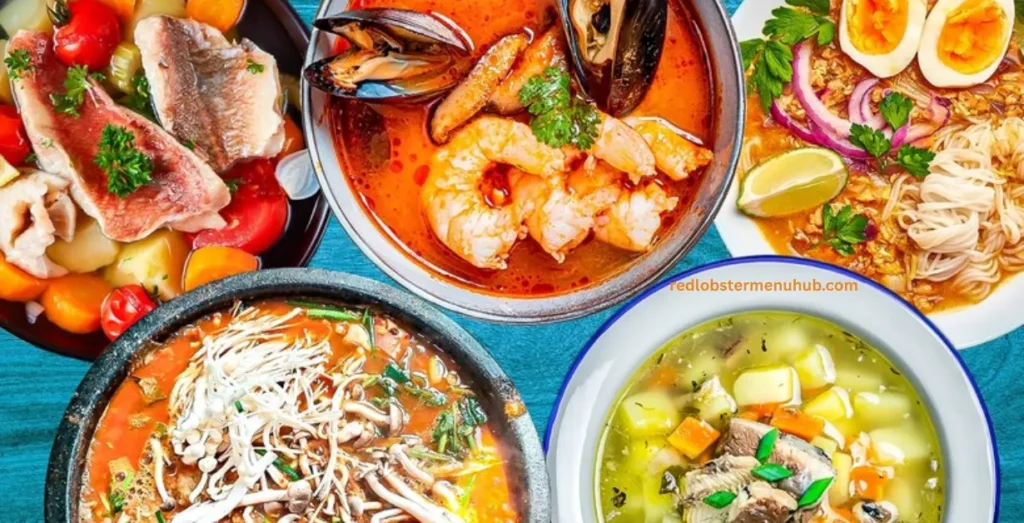
One of the reasons seafood cuisine is loved across the globe is its incredible diversity. Every region has its own unique way of preparing fish, shellfish, and other ocean delicacies. From simple grilled dishes to elaborate traditional recipes, seafood continues to play a central role in countless culinary traditions.
| Region | Popular Dish | Main Seafood |
|---|---|---|
| United States | Lobster Roll | Lobster |
| United States | Clam Chowder | Clams |
| Japan | Sushi | Tuna, Salmon |
| Spain | Paella | Shrimp, Mussels |
| United Kingdom | Fish and Chips | Cod, Haddock |
| Thailand | Seafood Noodles | Shrimp, Squid |
| Italy | Seafood Risotto | Mixed Seafood |
Classic American Seafood Favorites
American coastal cuisine features some of the world’s most recognizable seafood dishes.
Lobster Rolls
Originating from New England, lobster rolls are made with tender lobster meat served inside a toasted bun. Depending on the region, the lobster may be dressed with butter or a light mayonnaise mixture.
Clam Chowder
This rich and comforting soup combines clams, potatoes, onions, and cream to create one of America’s most famous seafood recipes.
Crab Cakes
Crab cakes are prepared using fresh crab meat, breadcrumbs, herbs, and seasonings. They are often served with dipping sauces and fresh vegetables.
Famous Asian Seafood Specialties
Asian countries have developed some of the most sophisticated seafood traditions in the world.
Sushi and Sashimi
Japan’s sushi culture highlights the natural flavor of premium fish and seafood. Popular ingredients include tuna, salmon, shrimp, and octopus.
Seafood Noodle Dishes
Many Asian cuisines feature seafood combined with noodles, vegetables, and flavorful sauces. These dishes showcase the versatility of fresh seafood ingredients.
Grilled Fish Traditions
Across countries such as Japan, Korea, and Thailand, grilled fish remains a staple meal due to its simplicity and clean flavor.
Also read about the Red Lobster Cheddar Bay Biscuits Recipe: Easy Copycat Recipe (2026)
European Seafood Classics
Europe is home to numerous iconic seafood dishes.
Spanish Paella
Paella is a rice-based dish that often includes shrimp, mussels, squid, and fish. It remains one of the most celebrated examples of Mediterranean seafood cuisine.
Fish and Chips
This British favorite pairs crispy battered fish with fried potatoes and tartar sauce.
Mediterranean Seafood Platters
Countries bordering the Mediterranean Sea frequently serve platters featuring grilled fish, shellfish, vegetables, olive oil, and herbs.
How to Choose Fresh Seafood Like a Pro

Selecting high-quality seafood is one of the most important skills for home cooks.
| Seafood Type | Signs of Freshness | Avoid If |
|---|---|---|
| Fish | Clear eyes, bright gills, firm flesh | Strong odor, cloudy eyes |
| Shrimp | Firm texture, mild smell | Slimy surface |
| Crab | Heavy weight, active movement | Cracked shell or bad odor |
| Lobster | Active and responsive | Weak movement |
| Mussels | Shells tightly closed | Open shells that do not close |
| Oysters | Closed shells | Broken or open shells |
Signs of Fresh Fish
Fresh fish should display the following:
- Clear, bright eyes
- Firm flesh
- Clean ocean-like smell
- Shiny skin
- Bright red gills
Avoid fish with a strong ammonia odor or dull appearance.
What Fresh Shrimp Should Look Like
Quality shrimp typically have:
- Firm texture
- Mild scent
- Clean shells
- Consistent color
Shrimp that feel slimy or smell unpleasant should be avoided.
Choosing Quality Crab and Lobster
When buying live shellfish:
- Look for active movement
- Choose specimens that feel heavy
- Avoid damaged shells
- Purchase from reputable seafood suppliers
These simple checks help ensure better freshness and flavor.
Questions Worth Asking Your Seafood Supplier
Before making a purchase, consider asking:
- Is this seafood fresh or previously frozen?
- When was it harvested?
- Where was it sourced?
- Is it wild-caught seafood or farm-raised seafood?
Understanding sourcing can help you make informed purchasing decisions.
Also read about the Easy Crispy Dragon Shrimp Red Lobster Recipe with Dragon Sauce
Fresh Seafood vs. Frozen Seafood: Which Is Better?
Many people assume fresh seafood is always superior, but that is not necessarily true.
Modern freezing methods preserve quality exceptionally well. In some cases, frozen seafood may actually be fresher because it was frozen shortly after harvest.
| Feature | Fresh Seafood | Frozen Seafood |
|---|---|---|
| Shelf Life | Short | Long |
| Availability | Seasonal | Year-round |
| Convenience | Needs quick use | Easy to store |
| Cost | Usually higher | Often more affordable |
| Quality | Excellent when fresh | Excellent when frozen properly |
Fresh Seafood
Advantages:
- Immediate use
- Excellent texture
- Preferred for certain recipes
Frozen Seafood
Advantages:
- Longer shelf life
- Wider availability
- Reduced waste
- Convenient storage
The best choice often depends on your cooking needs and local availability.
Seafood Storage Tips to Keep It Fresh
Proper storage helps maintain quality, flavor, and food safety.
| Seafood | Refrigerator | Freezer |
|---|---|---|
| Fish Fillets | 1–2 Days | Up to 8 Months |
| Shrimp | 1–2 Days | Up to 12 Months |
| Crab Meat | 2–3 Days | Up to 6 Months |
| Lobster Meat | 2–3 Days | Up to 6 Months |
| Squid | 1–2 Days | Up to 6 Months |
| Mussels | 1–2 Days | Not Recommended for Long-Term Freezing |
How Long Does Seafood Stay Fresh in the Refrigerator
Most fresh seafood should be consumed within one to two days of purchase.
General guidelines:
The Best Way to Freeze Seafood
For optimal results:
- Pat the seafood dry.
- Use airtight packaging.
- Remove excess air.
- Label with the freezing date.
- Maintain consistent freezer temperatures.
These practices help preserve both flavor and texture.
Also read about the Red Lobster Snow Crab With Roasted Garlic Butter Calories & nutrition.
Common Seafood Storage Mistakes to Avoid
Many quality issues result from improper handling.
Avoid:
- Leaving seafood at room temperature
- Refreezing thawed seafood repeatedly
- Using damaged packaging
- Ignoring expiration dates
- Storing seafood without proper refrigeration
Quick Seafood Storage Reference Table
| Seafood | Refrigerator | Freezer |
| Salmon | 1–2 Days | Up to 6 Months |
| Shrimp | 1–2 Days | Up to 12 Months |
| Cod | 1–2 Days | Up to 8 Months |
| Crab | 2–3 Days | Up to 6 Months |
| Lobster | 2–3 Days | Up to 6 Months |
The Best Ways to Cook Seafood
Cooking techniques can dramatically affect flavor and texture.
| Cooking Method | Best For | Result |
|---|---|---|
| Grilling | Salmon, Tuna | Smoky flavor |
| Baking | Cod, Tilapia | Tender texture |
| Frying | Shrimp, Fish Fillets | Crispy exterior |
| Steaming | Mussels, Crab Legs | Moist and delicate texture |
| Boiling | Lobster, Shrimp | Even cooking |
| Air Frying | Breaded Seafood | Crispy with less oil |
Grilling for Bold Flavor
Grilling creates a smoky flavor while maintaining moisture. Popular choices include:
- Salmon
- Tuna steaks
- Shrimp skewers
- Lobster tails
This method is especially popular during outdoor gatherings.
Baking for a Healthier Meal
Baking allows seafood to cook evenly while requiring minimal added fats.
Benefits include:
- Easy preparation
- Consistent results
- Health-conscious cooking
- Enhanced natural flavors
Frying for Crispy Results
Frying creates a golden, crunchy exterior that many people enjoy.
Popular fried seafood dishes include:
- Fish and chips
- Fried shrimp
- Calamari
- Fish sandwiches
Steaming for Maximum Freshness
Steaming helps seafood stay tender and juicy while allowing its fresh, delicate flavors to shine through.
Ideal options include:
- Mussels
- Clams
- Crab legs
- Lobster
Boiling Seafood Properly
Boiling remains a classic method for preparing:
- Shrimp
- Crab
- Lobster
- Crawfish
It is especially popular for seafood boils and family gatherings.
Also read about the Best Red Lobster roasted garlic butter recipe for Seafood Lovers,: complete guide [2026]
Air Frying for Modern Home Cooking
The rise of air fryers has made it easier to prepare crispy seafood with less oil.
Air frying works particularly well for the following:
- Breaded shrimp
- Fish fillets
- Fish sticks
- Seafood appetizers
The result is a lighter version of traditionally fried seafood.
Seafood cooking time guide:
| Seafood Type | Approximate Cooking Time |
|---|---|
| Salmon Fillet | 10–15 Minutes |
| Cod Fillet | 10–12 Minutes |
| Shrimp | 2–4 Minutes |
| Lobster Tail | 8–12 Minutes |
| Crab Legs | 5–7 Minutes |
| Mussels | 5–7 Minutes |
| Scallops | 2–3 Minutes Per Side |
| Squid | 2–4 Minutes |
Seasonings and Flavors That Pair Perfectly with Seafood
The right seasoning can elevate seafood from good to unforgettable.
| Seasoning | Best Paired With |
|---|---|
| Garlic Butter | Lobster, Crab |
| Lemon Pepper | Fish Fillets |
| Cajun Blend | Shrimp, Crawfish |
| Old Bay Style Seasoning | Crab, Shrimp |
| Herb Blend | Salmon, Cod |
| Paprika Mix | White Fish |
Essential Herbs and Spices
Common seasonings include:
- Parsley
- Dill
- Thyme
- Paprika
- Black pepper
- Garlic powder
- Onion powder
These ingredients complement seafood without overwhelming its natural flavor.
Garlic Butter Seasoning
A classic combination of butter, garlic, and herbs remains one of the most popular seafood flavor profiles.
It pairs exceptionally well with:
- Lobster
- Shrimp
- Crab
- Scallops
Cajun-Inspired Flavors
Cajun seasoning brings bold flavor through a blend of spices such as paprika, cayenne pepper, garlic, and herbs.
This style is frequently used for:
- Shrimp
- Crawfish
- Catfish
- Seafood boils
Lemon Pepper Blends
The combination of citrus and pepper creates a bright, balanced flavor that works beautifully with fish and shellfish.
Classic Seafood Seasoning Mixes
Many seafood enthusiasts rely on specialty seasoning blends designed specifically for fish and shellfish dishes.
These blends often include:
- Celery seed
- Paprika
- Mustard powder
- Black pepper
- Bay leaf
Also read about the Shrimp Your Way Choose Four (2026) – Prices, Menu & Endless Shrimp Guide
Seafood flavor guide:
| Seafood | Flavor Intensity | Best For |
|---|---|---|
| Tilapia | Very Mild | Beginners |
| Cod | Mild | Family Meals |
| Shrimp | Mild Sweetness | Versatile Recipes |
| Salmon | Medium Richness | Healthy Meals |
| Tuna | Rich and Meaty | Steaks and Sushi |
| Crab | Sweet | Special Occasions |
| Lobster | Rich and Buttery | Premium Dining |
| Mackerel | Strong | Seafood Enthusiasts |
What to Serve with Seafood
Pairing seafood with complementary side dishes creates a more satisfying meal.
Best Side Dishes for Seafood Meals
| Side Dish | Pairs Well With |
|---|---|
| Rice Pilaf | Grilled Fish, Shrimp |
| Roasted Vegetables | Salmon, Cod |
| Garlic Bread | Seafood Pasta |
| Coleslaw | Fried Fish |
| Corn on the Cob | Seafood Boils |
| Green Salad | Grilled Seafood |
| Mashed Potatoes | Lobster, Crab |
| Steamed Rice | Asian Seafood Dishes |
Vegetables That Complement Seafood
Fresh vegetables add color, texture, and nutrition.
Excellent options include:
- Asparagus
- Broccoli
- Green beans
- Zucchini
- Bell peppers
- Spinach
Popular Seafood Sauces and Dips
Seafood becomes even more flavorful when paired with the right sauce.
Popular choices include:
- Tartar sauce
- Cocktail sauce
- Garlic butter sauce
- Lemon herb sauce
- Remoulade sauce
Beverage Pairing Ideas
Depending on the dish, seafood pairs well with:
- Sparkling water
- Citrus beverages
- Herbal drinks
- Light refreshments
The goal is to complement rather than overpower delicate seafood flavors.
Understanding Sustainable Seafood
As seafood demand continues to grow, sustainability has become increasingly important.
What Sustainable Seafood Means
Sustainable seafood comes from sources that maintain healthy fish populations while minimizing environmental impact.
Responsible sourcing helps protect marine ecosystems for future generations.
Also read about the Crispy Dragon Shrimp: The Spicy Seafood Favorite Trending in 2026
Wild-Caught vs. Farm-Raised Seafood
| Factor | Wild-Caught Seafood | Farm-Raised Seafood |
|---|---|---|
| Habitat | Natural oceans, rivers, and lakes | Controlled aquaculture farms |
| Diet | Natural food sources | Specially formulated feed |
| Availability | Seasonal and limited | Available year-round |
| Price | Usually higher | Often more affordable |
| Flavor | More varied and natural | More consistent |
| Supply | Depends on fishing seasons | Stable and predictable |
| Sustainability | Depends on fishing practices | Depends on farming methods |
Wild-Caught Seafood
Benefits:
- Natural diet
- Diverse habitats
- Traditional harvesting methods
Farm-Raised Seafood
Benefits:
- Consistent supply
- Controlled production
- Reduced pressure on some wild populations
Both can be excellent choices when managed responsibly.
Making Environmentally Responsible Seafood Choices
Consumers can support sustainability by:
- Choosing responsibly sourced products
- Following regional seafood recommendations
- Supporting transparent suppliers
- Learning about fisheries and aquaculture practices
Seafood Safety and Food Handling Tips
Food safety is essential when preparing seafood.
Preventing Foodborne Illness
Key practices include:
- Proper refrigeration
- Thorough cooking
- Safe handling
- Preventing cross-contamination
These simple habits significantly reduce food safety risks.
Also read about the Shrimp Your Way Choose Two 2026—Prices, Menu, Calories & Best Combos
Recommended Cooking Temperatures
Proper cooking helps ensure seafood is safe to eat while maintaining quality.
Different seafood types may require slightly different cooking temperatures, so following recipe guidelines is recommended.
Understanding Seafood Allergies
Many people around the world experience allergic reactions to shellfish, making it one of the most frequently reported food allergies.
Individuals with known allergies should carefully review ingredients and consult healthcare professionals when necessary.
Fish With Higher and Lower Mercury Levels
Some fish naturally contain more mercury than others.
| Lower-Mercury Seafood Choices | Higher-Mercury Seafood Choices |
|---|---|
| Salmon | Shark |
| Sardines | Swordfish |
| Shrimp | King Mackerel |
| Tilapia | Marlin |
| Cod | Bigeye Tuna |
| Pollock | Tilefish |
| Catfish | Orange Roughy |
| Anchovies | Certain Large Predatory Fish |
Generally Lower-Mercury Options
- Salmon
- Sardines
- Tilapia
- Cod
Generally Higher-Mercury Options
- Swordfish
- Shark
- King mackerel
Consumers can enjoy a balanced variety of seafood while following dietary recommendations.
Quick mercury risk guide:
| Mercury Level | Seafood Examples |
|---|---|
| Low | Salmon, Shrimp, Sardines, Tilapia |
| Moderate | Tuna, Halibut, Mahi-Mahi |
| High | Shark, Swordfish, King Mackerel |
A Beginner’s Guide to Enjoying Seafood
If you’re new to seafood, starting with mild flavors can make the experience more enjoyable.
Best Seafood Options for First-Time Seafood Eaters
| Seafood Type | Flavor Profile | Texture | Beginner Friendly |
|---|---|---|---|
| Tilapia | Very Mild | Tender | Excellent |
| Cod | Mild | Flaky | Excellent |
| Shrimp | Mild and Slightly Sweet | Firm | Excellent |
| Salmon | Rich but Balanced | Moist | Very Good |
| Crab | Sweet | Tender | Very Good |
| Lobster | Mild Sweetness | Firm and Tender | Good |
| Pollock | Mild | Soft | Excellent |
| Haddock | Mild | Flaky | Excellent |
These options are generally approachable and widely available.
Mild-Flavored Seafood Choices
Many beginners prefer seafood with a less pronounced ocean flavor.
Good examples include
- Tilapia
- Cod
- Haddock
- Pollock
Affordable Seafood Options for Every Budget
Nutritious seafood doesn’t have to be expensive.
Budget-friendly choices often include:
| Seafood | Affordability | Main Benefit |
|---|---|---|
| Canned Tuna | Very Affordable | High Protein |
| Sardines | Very Affordable | Rich in Omega-3 |
| Tilapia | Affordable | Lean Protein |
| Pollock | Affordable | Low-Calorie Option |
| Mussels | Moderate | Rich in Minerals |
| Catfish | Affordable | Mild Flavor |
| Shrimp | Moderately Priced | High Protein |
| Mackerel | Affordable | Heart-Healthy Fats |
Easy Seafood Recipes to Start With
Beginner-friendly recipes include:
- Baked salmon
- Garlic shrimp
- Fish tacos
- Seafood pasta
- Grilled fish fillets
Also read about the Bar Harbor Lobster Bake Guide 2026: Prices, Menu & Maine Traditions
Most popular seafood types and their uses:
| Seafood | Best Cooking Methods | Popular Dishes |
|---|---|---|
| Salmon | Grilling, Baking | Salmon Fillets, Fish Bowls |
| Shrimp | Frying, Grilling, Boiling | Shrimp Tacos, Garlic Shrimp |
| Crab | Steaming, Boiling | Crab Cakes, Crab Legs |
| Lobster | Boiling, Grilling | Lobster Roll, Lobster Tail |
| Cod | Baking, Frying | Fish and Chips |
| Tuna | Grilling, Searing | Tuna Steak, Sushi |
| Mussels | Steaming | Mussels in Garlic Sauce |
| Squid | Frying, Grilling | Calamari |
Final Thoughts
Seafood is far more than just a source of protein. It represents a diverse category of nutrient-rich foods enjoyed across cultures and cuisines worldwide. Whether you prefer grilled salmon, buttery lobster, tender shrimp, or classic fish dishes, there is a seafood option suited to almost every taste and budget.
By learning how to select fresh seafood, store it properly, cook it effectively, and make informed sourcing decisions, you can enjoy the full benefits of this remarkable food category.
By learning more about seafood nutrition, responsible sourcing, and effective cooking methods, you’ll be better equipped to select quality seafood and create enjoyable meals at home. Whether you’re a beginner or a lifelong seafood enthusiast, there is always something new to discover in the fascinating world of seafood.
Frequently Asked Questions About Seafood
What Foods Are Considered Seafood?
When people talk about seafood, they are usually referring to fish, shellfish, and other edible animals harvested from aquatic environments.
Which Seafood Is the Healthiest?
Many nutrition experts recommend salmon, sardines, trout, and mackerel because they contain beneficial omega-3 fatty acids and high-quality protein.
Is Frozen Seafood as Nutritious as Fresh Seafood?
Yes. Properly frozen seafood can retain most of its nutritional value and quality.
How Often Should You Eat Seafood?
Many dietary guidelines encourage regular consumption of seafood as part of a balanced diet.
Which Seafood Contains the Most Protein?
Tuna, shrimp, salmon, and several white fish varieties are excellent protein-rich foods.
What Seafood Is Best for Weight Management?
Lean fish, shrimp, cod, and other low-calorie seafood options can fit well into weight-conscious meal plans.
- Create Your Own Family Feast (2026): What’s Included, Price & Calories

- Red Lobster Menu with Prices 2026: Best Meals & Offers
- Red Lobster Surf & Turf Maine Lobster Tail & 6 oz. Filet Mignon (2026): Price, Calories & Review
- Red Lobster Senior Menu with Prices (2026 Updated)
- Grilled Lobster, Shrimp and Salmon (2026): Price, Calories, Nutrition & Ingredients Guide